Recently, I attended an educational event hosted by Arden Courts, where nationally recognized dementia expert and gerontologist Dr. Tam Cummings gave insights gathered from decades of research and experience working with families affected by dementia.
As a Realtor and Seniors Real Estate Specialist (SRES®), I frequently work with adult children who are helping aging parents navigate difficult transitions. Whether that involves moving into assisted living, downsizing a longtime family home, or simply figuring out the next step, dementia often becomes part of the conversation.
I left the event with a greater appreciation for both the hardships families face and the significance of seeking help sooner rather than later.

Learn More About Arden Courts at a Location Near You
Dementia Isn’t Always Easy to Recognize
One of the most surprising insights I gained is that even late-stage dementia can be difficult for families to recognize. Often, family members may not want to admit that their loved one needs specialized dementia care. While we tend to think cognitive decline is easily identifiable, symptoms can emerge slowly, and loved ones may unknowingly adjust to subtle changes over time.
Pat emphasized the importance of obtaining an accurate diagnosis. Dementia is not simply “normal aging,” and understanding what is happening allows families to access treatments, resources, legal planning, and support services sooner.
By the time dementia reaches its later stages, individuals may have lost approximately a pound of brain tissue. This physical loss explains many of the changes families witness and illustrates why early intervention matters.
Caregivers Need Care, Too
Perhaps the most emotional part of the presentation focused on caregivers themselves.
Family members often devote countless hours to caring for spouses, parents, and loved ones while neglecting their own physical and emotional health. Research has shown that caregivers experiencing considerable stress face a substantially higher risk of health problems. A landmark study published in JAMA found that stressed elderly caregivers had a 63% higher mortality risk than non-caregivers experiencing similar circumstances. Other studies continue to demonstrate elevated rates of depression, anxiety, and chronic stress among dementia caregivers.
In other words, caring for the caregiver is just as important as caring for the person with dementia.
As Dr. Cummings reminded us, asking for help is not giving up. It is giving your loved one the best version of yourself.
Dementia and Financial Fraud
Another important takeaway was the vulnerability of individuals with dementia to financial exploitation.
Difficulty with judgment and decision-making can make people living with dementia easy targets for scams and fraud. In fact, financial difficulties and unusual spending patterns are sometimes among the earliest signs of cognitive decline.
Simple precautions can make a tremendous difference:
- Establish financial and healthcare powers of attorney early.
- Monitor bank and credit card accounts.
- Be cautious of unsolicited phone calls and emails.
- Place trusted family members on accounts when appropriate.
- Discuss finances openly before a crisis occurs.
Protecting a loved one’s finances is an important part of protecting their dignity.
There Is Help Available
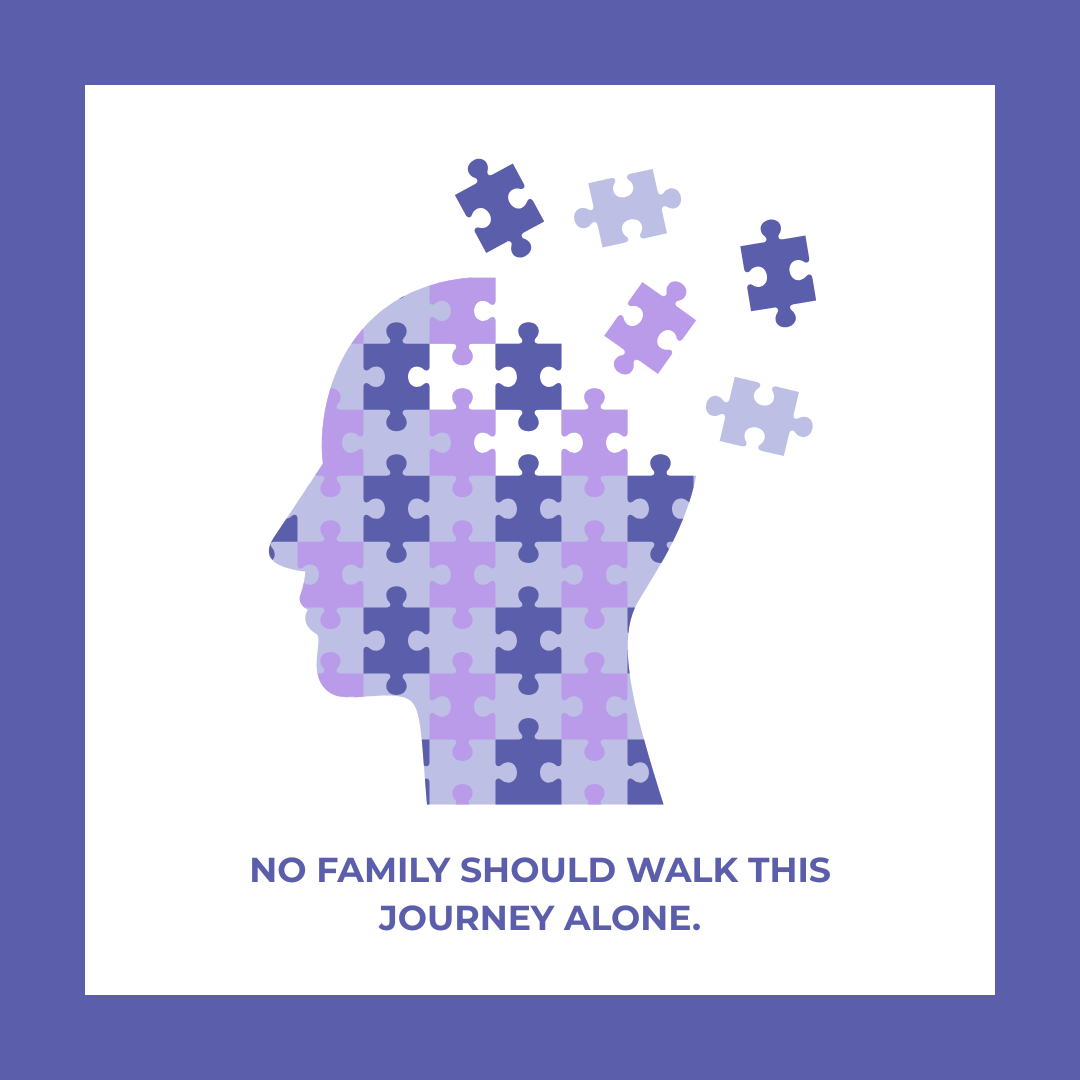
One message stood above all the others: No family should walk this journey alone.
Many caregivers struggle because they believe they must do everything themselves. Fortunately, Northeast Ohio offers resources that can provide support and relief.
Memory Care Communities and Respite Care
Communities such as Arden Courts specialize in caring for individuals living with Alzheimer’s disease and other forms of dementia. Their trained staff, secure environments, and therapeutic programs can provide families with peace of mind while improving residents’ quality of life.
Memory care facilities, such as Arden Courts, provide temporary care services allowing family caregivers to take needed breaks, attend appointments, or simply rest and recharge.
Support Groups
Organizations such as the Alzheimer’s Association offer caregiver support groups, educational programs, and a 24-hour helpline.
Professional Guidance
Elder law attorneys, financial planners, senior move managers, and real estate professionals experienced in senior transitions can help families make decisions without feeling overwhelmed.
A Personal Reflection
As a Realtor and Seniors Real Estate Specialist (SRES®), I often meet adult children who are juggling careers, raising families, and caring for aging parents. Many carry an enormous amount of guilt, wondering whether they’re doing enough. After listening to Dr. Cummings, one thought stayed with me:
Love doesn’t mean doing everything alone.
Sometimes the most loving decision is accepting help. Whether that means bringing in home health aides, joining a support group, or moving a loved one to a memory care community like Arden Courts, these decisions are not failures. They are acts of compassion.
If your family is facing difficult decisions about housing, downsizing, or transitioning a loved one into memory care, know that resources are available and you do not have to navigate this journey by yourself.






Leave a Reply